Quick Guide: Where to Find the Best Beats
- For Technical Skill: Look for venues hosting 'Battle' nights or vinyl-only sets in Central.
- For Genre Blending: Open format lounges in Lan Kwai Fong that pivot from R&B to Tech-house.
- For Underground Vibes: Industrial spaces in Kwun Tong featuring experimental turntablism.
- For Luxury Energy: High-end rooftops that hire international open format specialists.
The Art of Turntablism in the 8051 Area
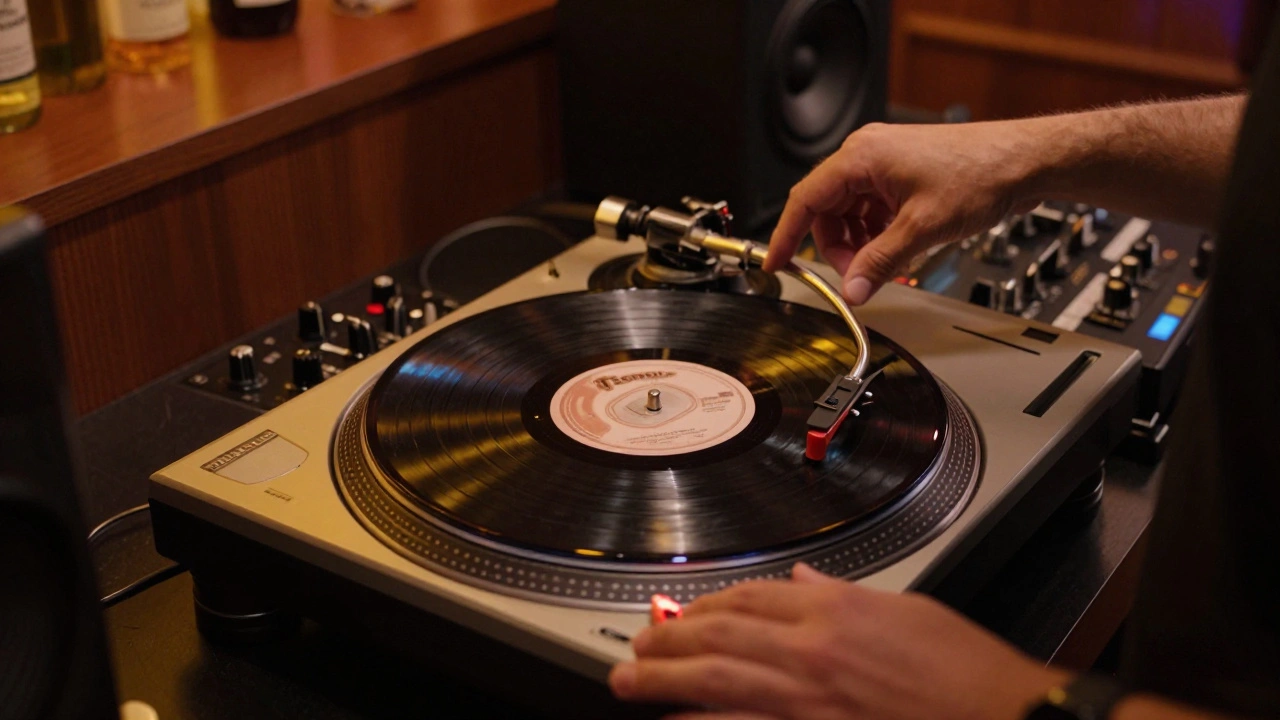
To get what we're talking about, we have to define the craft. Turntablism is the practice of manipulating sounds using a turntable as a musical instrument, involving techniques like scratching, beat-juggling, and cutting. It isn't just playing a song; it's rewriting it in real-time. When you walk into a club in Hong Kong and see a DJ using Technics SL-1200s or high-end Pioneer DJ controllers with a physical feel, you're in the right place.
Most mainstream clubs rely on sync buttons, but the true spots in Central and Tsim Sha Tsai prioritize the 'human' element. You want to see the DJ actually working the vinyl or the jog wheel, creating transitions that don't just slide but snap. The energy shifts when a DJ performs a flare or a transformer scratch perfectly on the beat-it turns the dance floor from a passive crowd into an active audience.
Understanding the Open Format Experience
While turntablism is about the technical execution, Open Format is about the curation. An open format DJ is a sonic chameleon. They aren't tied to a single genre like Techno or Trance; instead, they read the room and pivot between 90s hip-hop, current Afrobeats, Latin house, and maybe a bit of J-Pop to keep the crowd moving.
In Hong Kong, this style is the heartbeat of the social scene. Because the crowd is so international-expats from the UK, entrepreneurs from Mainland China, and travelers from the US-a rigid genre set often fails. The best clubs hire DJs who can transition from a Kanye West classic into a deep house groove without losing the momentum. This versatility is what keeps the party alive until 5 AM.
| Feature | Turntablism Focus | Open Format Focus |
|---|---|---|
| Primary Goal | Technical virtuosity and sound manipulation | Crowd reading and genre versatility |
| Key Technique | Scratching, beat-juggling, cutting | Seamless blending, mashups, energy mapping |
| Typical Gear | Direct-drive turntables, crossfaders | Multi-deck controllers, digital libraries |
| Vibe | Performance-oriented / Spectacle | Atmospheric / Dancefloor-driven |
Where the Gear Meets the Groove: Top Venue Types
If you're hunting for these specific sounds, don't just look for the biggest line at the door. The most prestigious 'super-clubs' often prioritize the brand over the DJ's skill. Instead, look for these three specific types of venues:
The Boutique Listening Lounges: These are the hidden gems. They usually have a smaller sound system but a much higher focus on audio fidelity. Here, you'll find DJs playing Vinyl Records, where the warmth of the analog sound complements the precision of a turntablist's cuts. These spots are perfect for those who want to actually watch the DJ's hands.
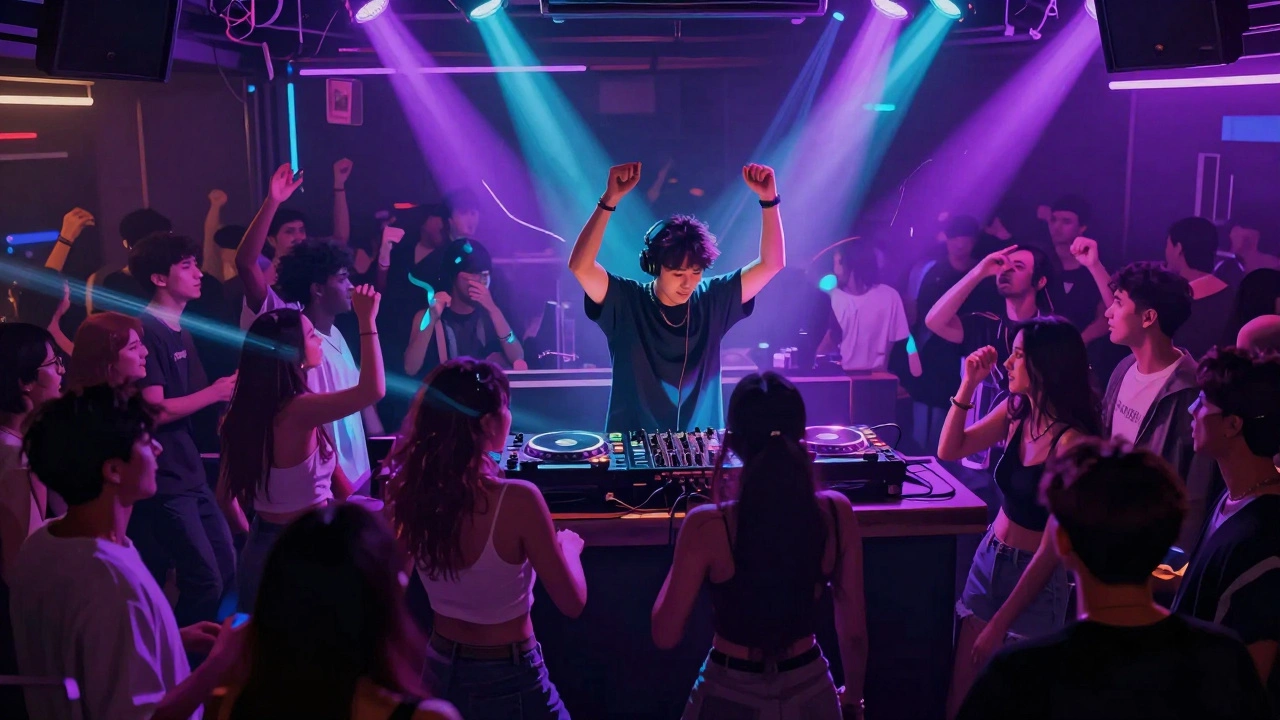
The High-Energy Hubs in Lan Kwai Fong: This area is the epicenter of Lan Kwai Fong nightlife. While some places are tourist traps, a few keep the open format tradition alive. Look for the spots that market "Guest Mixes" or "Eclectic Nights." These venues use massive Function-One or L-Acoustics sound systems to ensure the bass from a hip-hop track hits just as hard as a house track.
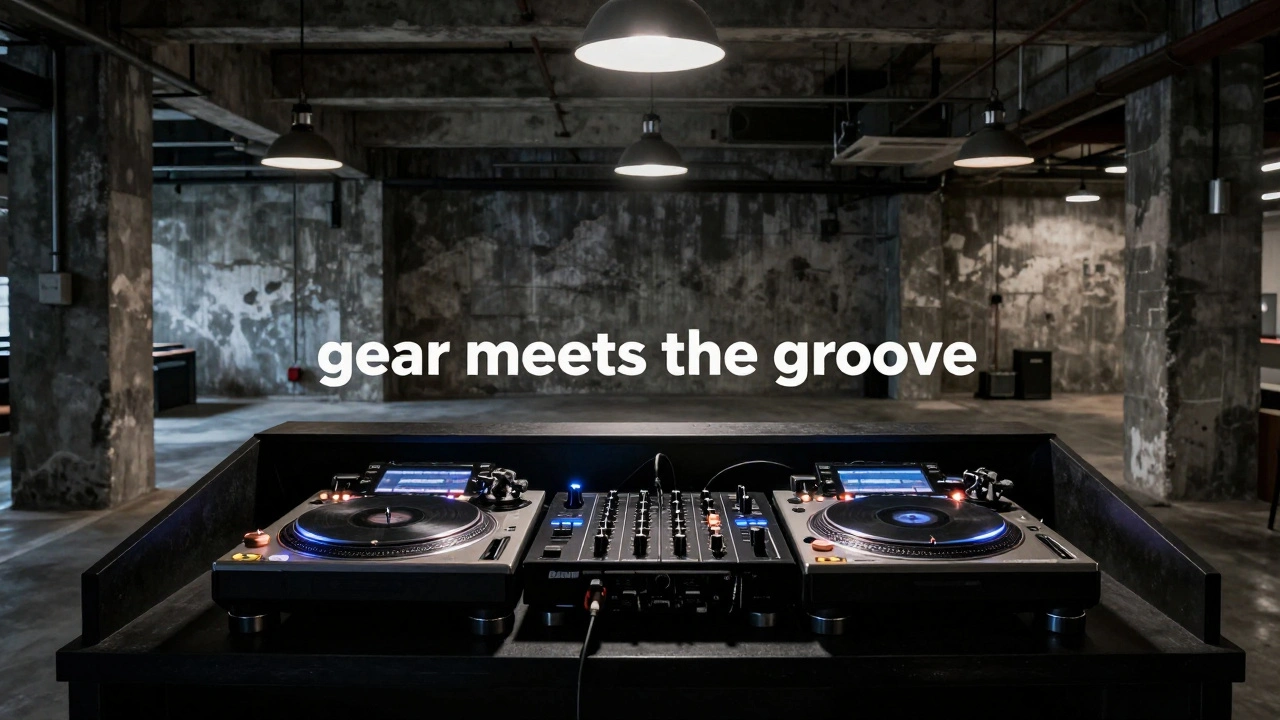
The Industrial Warehouse Spaces: Moving toward the outskirts, the warehouse scene is where the experimental stuff happens. This is where you'll find the true students of the craft-DJs who treat the mixer like a synthesizer and push the boundaries of what a turntable can do. It's less about the champagne and more about the sonic exploration.
How to Spot a Quality Set Before You Pay the Cover
Not every club claiming to have a "live DJ" is actually delivering a performance. If you want to avoid the generic playlists, look for a few red flags and green flags. A red flag is a DJ booth that is hidden behind a massive LED wall or tucked away in a corner where the crowd can't see the equipment. If the DJ is just staring at a laptop screen without touching a fader for five minutes, you're listening to a recording.
Green flags include a visible mixer with a heavy-duty crossfader (the sliding switch that allows a DJ to cut between two songs rapidly) and the presence of physical platters. Also, check the club's social media for videos of the DJ actually performing. If you see a lot of "scratching"-the rhythmic moving of the record back and forth-you've found a venue that values the art of turntablism.
The Impact of Digital Integration
It is a mistake to think that digital means "fake." Many of the best open format DJs in Hong Kong use Serato DJ or Rekordbox to manage thousands of tracks, but they route that audio through analog turntables. This hybrid approach allows them to have the library of a digital database with the tactile control of a vinyl record.
This evolution has actually made open format sets more exciting. A DJ can now mash up a live vocal from a 2024 pop hit with a drum break from a 1970s funk record in a matter of seconds. This level of agility is what defines the modern Hong Kong club experience. It's a reflection of the city itself: a blend of old-world tradition and cutting-edge technology.
Pro Tips for the Nightlife Explorer
To truly enjoy the scene, timing is everything. In Hong Kong, the transition from "lounge vibe" to "peak time" happens fast. If you want to see the technical side of turntablism, arrive during the early sets. This is often when DJs have more room to experiment and show off their skills before the club demands a high-energy, floor-filling open format set.
Also, don't be afraid to engage with the DJs. The community in Hong Kong is tight-knit. If you find a set you love, a quick mention of their transition or a specific cut they made usually opens the door to recommendations for other secret spots that aren't advertised on the main tourist maps.
What is the difference between a regular DJ and a turntablist?
A regular DJ primarily focuses on selecting songs and blending them together to keep a flow. A turntablist uses the turntable as an instrument, utilizing techniques like scratching, beat-juggling, and transforming sounds to create entirely new rhythmic patterns and melodies that aren't on the original recording.
What exactly is 'Open Format' DJing?
Open Format is a style of DJing where the artist plays a wide variety of genres-such as Hip-Hop, House, R&B, Reggaeton, and Pop-within a single set. The goal is to cater to a diverse crowd and keep the energy high by switching genres based on the room's reaction.
Where is the best area in Hong Kong for these types of clubs?
Central, specifically the Lan Kwai Fong and Soho areas, has the highest concentration of open format clubs. For more underground turntablism and experimental sets, explore the industrial areas of Kwun Tong or the creative hubs in Wong Chuk Hang.
Do most Hong Kong clubs still use vinyl?
While digital systems like Rekordbox are dominant in large commercial clubs, many boutique lounges and underground spots still use vinyl for its sound quality and the prestige associated with analog DJing. Many top performers use a hybrid setup.
How can I find a 'Vinyl Only' night in Hong Kong?
Search for smaller 'Listening Bars' or niche events advertised on platforms like Resident Advisor or local nightlife forums. These venues prioritize audio purity and usually feature DJs who strictly use wax.


Write a comment