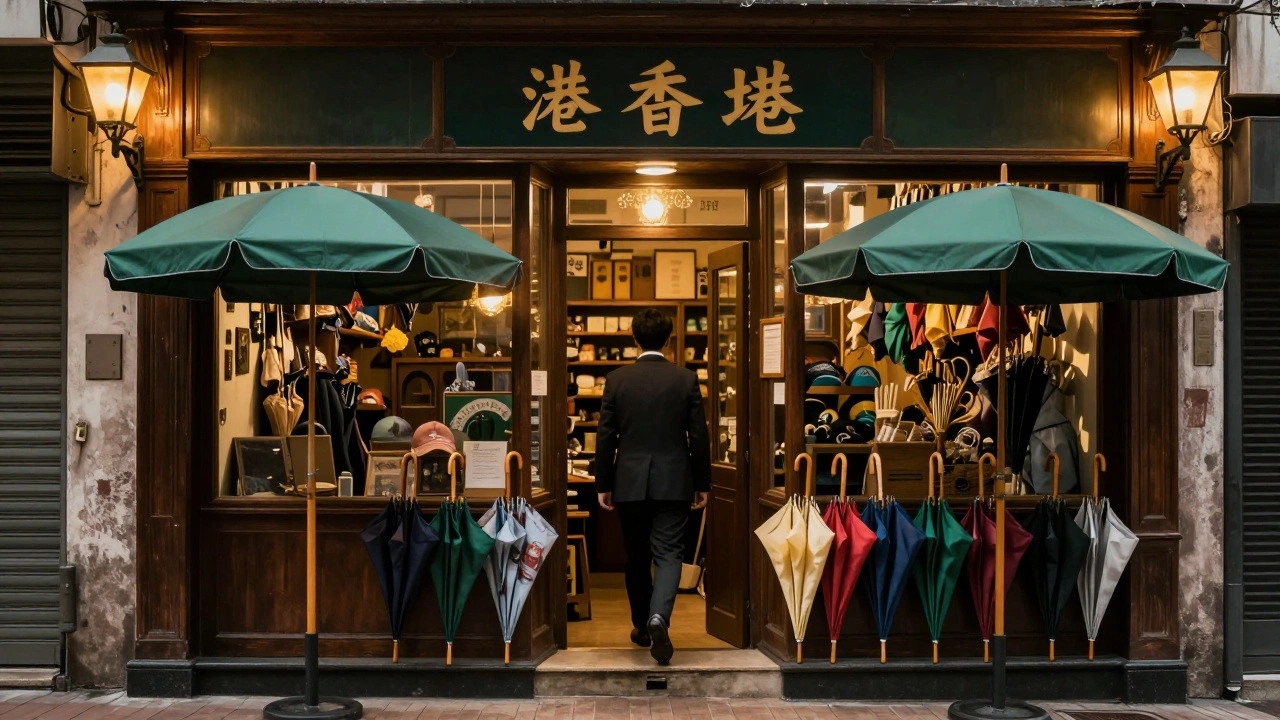
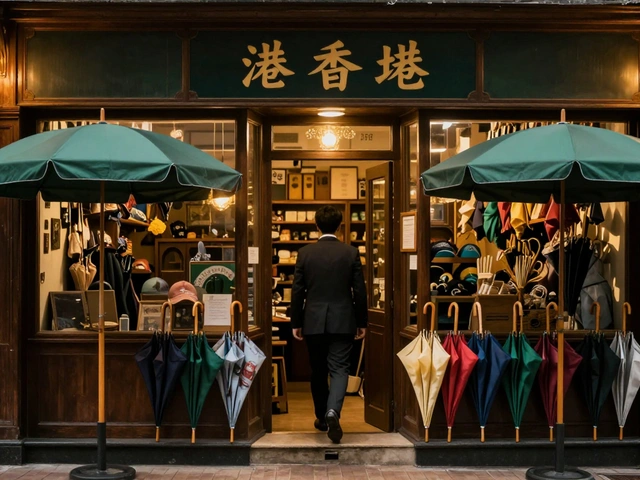
Ever walked past a random umbrella shop in Central and wondered why people were disappearing through the door? Or maybe you've found yourself in a basement behind a wall of lockers, sipping a drink in a room that looks like a 1920s fever dream. Hong Kong is currently obsessed with the "hidden bar" concept. But here is the thing: while these places call themselves speakeasies, they aren't actually speakeasies. They are high-end theatrical experiences. To understand the difference, we have to look at why these places existed in the first place and how speakeasy-themed bars in HK are essentially a romanticized costume party for adults.
The Big Difference: Necessity vs. Marketing
When we talk about a Speakeasy is an illicit establishment that sells alcoholic beverages illegally, typically during the Prohibition era in the United States (1920-1933), the "hidden" part wasn't a quirky design choice. It was a survival strategy. If the police found you, you went to jail. The entrances were obscured because the owners were breaking the law. The atmosphere was tense, the drinks were often low-quality (hidden by heavy mixers), and the guest list was strictly "people we trust."
Fast forward to 2026 in Hong Kong. The "secrecy" is a marketing tool. When you visit a place like Foxglove is a themed bar in Central disguised as an umbrella shop that evokes 1920s romance, the umbrella shop isn't there to fool the police-it's there to make you feel like you've discovered a secret. It creates an "insider" feeling that makes the drink taste better and the Instagram post look cooler. In modern HK, the concealment is the product, not a legal requirement.
The Architecture of Nostalgia
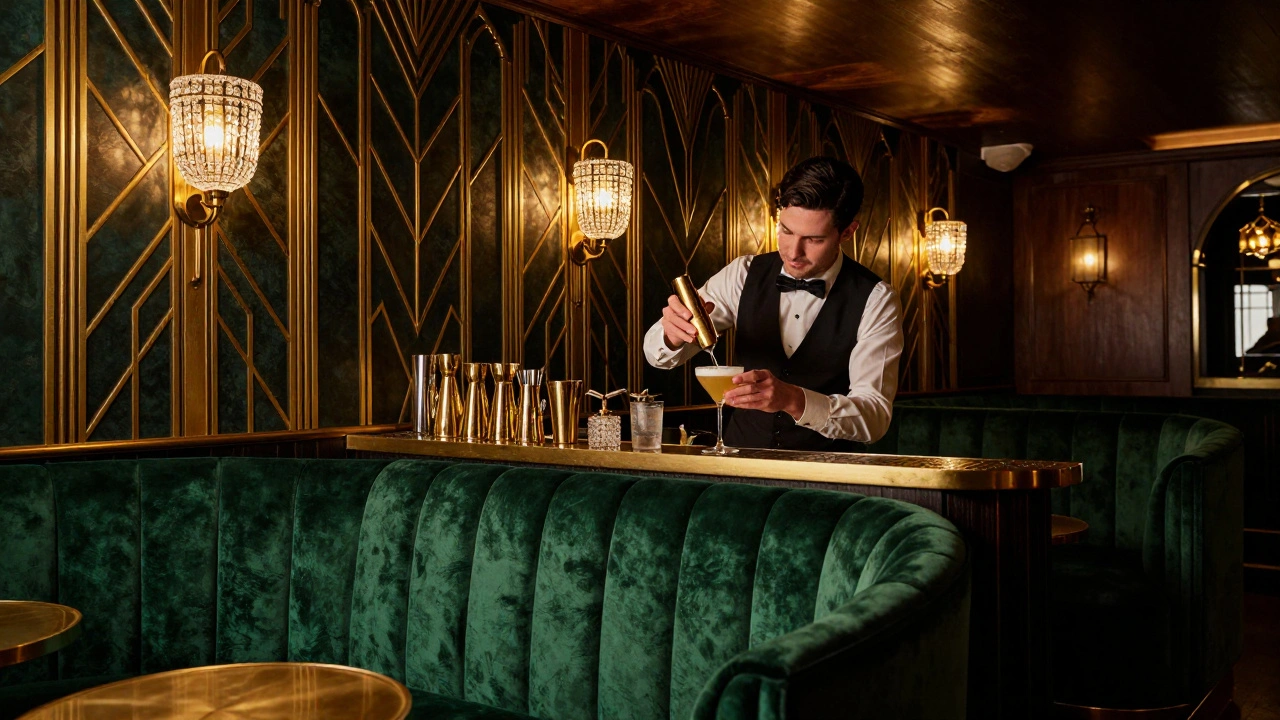
Modern themed bars don't just hide the door; they curate a specific visual language. They borrow heavily from the Jazz Age is the period of the 1920s characterized by the rise of jazz music, flapper fashion, and a general sense of societal rebellion and exuberance. You'll see this in the use of geometric patterns, velvet upholstery, and dim, moody lighting.
Take 001 is Hong Kong's first hidden bar, now located in Tai Kwun, featuring blue, green, and gold motifs. They use gold accents and soft suede booths to signal luxury and exclusivity. Similarly, The Red Room is a concealed bar in K11 Musea hidden behind lockers with a striking red interior blends the Prohibition vibe with an oriental twist. This is "curated history"-it's the version of the 1920s we see in movies, stripped of the actual grit and danger of the real underground.
| Feature | Historical Speakeasies (1920s) | HK Themed Bars (2020s) |
|---|---|---|
| Purpose of Secrecy | Avoiding arrest/legal raids | Brand identity and "buzz" |
| Drink Quality | Often poor (bootleg spirits) | Ultra-premium, craft cocktails |
| Access | Vouched for by trusted contacts | Reservations or social media tips |
| Atmosphere | High tension, clandestine | Romantic, curated, luxurious |
The Role of Live Jazz
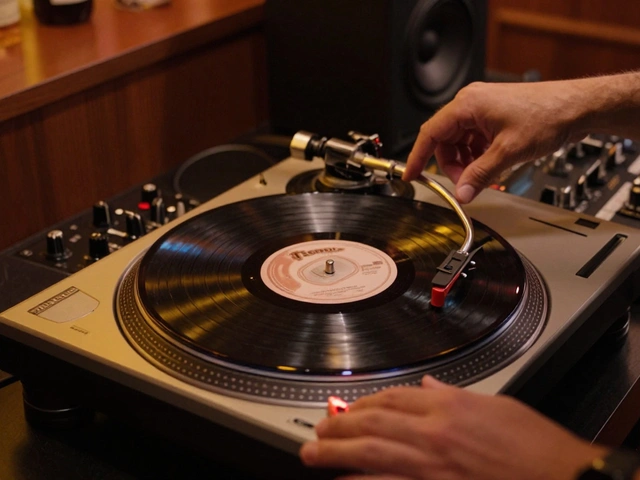
One area where the theme actually hits the mark is the music. In the real 1920s, jazz was the heartbeat of the underground. It was rebellious, fast, and often performed in these same hidden spaces. Modern Hong Kong bars keep this spirit alive, though now it's a professional production rather than a rebellious act.
If you're looking for that authentic sound, places like DarkSide is a cocktail parlour at Rosewood Hong Kong known for rare spirits and sultry live jazz provide a high-fidelity version of this experience. They schedule jazz performances almost every night of the week, bridging the gap between a luxury hotel and a moody lounge. Similarly, Studio Club is a venue off Lan Kwai Fong hosting jazz performers six days a week keeps the tradition of the "jazz hub" alive. The music is the one element that feels truly connected to the original era, even if the context has changed from "illegal gathering" to "curated evening out."
Crafting the Menu: From Bootleg to Boutique
During the actual Prohibition era, bartenders had to get creative because the alcohol was terrible. They added honey, fruit, and heavy syrups to mask the taste of industrial-grade bootleg gin. Modern HK bars flip this. They use the *idea* of a classic cocktail but apply 21st-century science to it.
For example, Frank's Library is a secret library bar within Foxglove specializing in barrel-aged cocktails. They don't age spirits to hide a bad taste; they do it to create complex, premium flavor profiles. You'll find elusive bottles like Pappy Van Winkle at 001, which would have been an unthinkable luxury in a 1920s basement. The focus has shifted from masking quality to maximizing it.
The "In the Know" Culture
There is still a psychological draw to feeling like you've found something others haven't. Some HK bars have leaned into the membership model to mimic the exclusivity of the past. Bert's is a members-only bar in the basement of the Foreign Correspondents' Club is a prime example. To get in, you need a connection or a membership.
But let's be real: in 1924, "in the know" meant you knew a guy who knew a guy who could get you a password so you wouldn't get arrested. In 2026, "in the know" usually means you follow the right food blogger on Instagram or have a high enough credit limit for a tasting menu. The exclusivity is now a status symbol rather than a safety measure.
Beyond the 1920s: The Evolution of the Hidden Bar
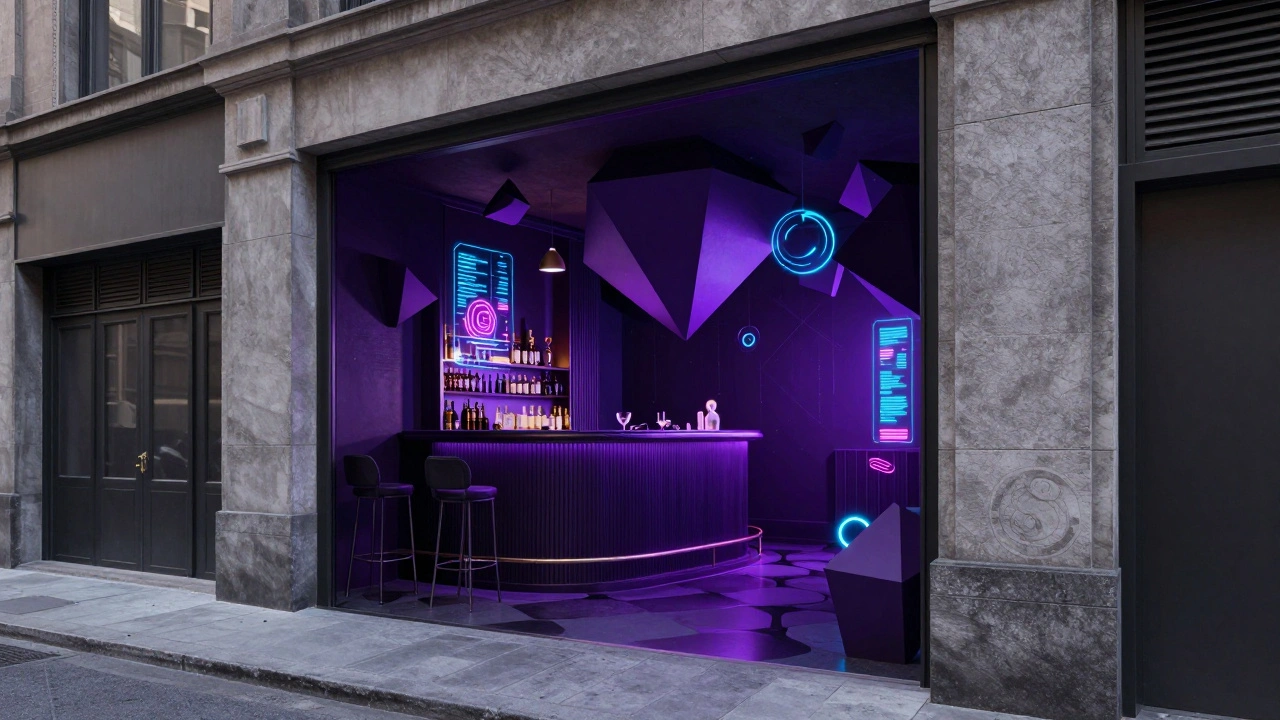
Interestingly, Hong Kong is pushing the "speakeasy" concept beyond just the Jazz Age. We are seeing the rise of "transportative" bars that hide themselves not for historical reasons, but for artistic ones. Artifact Bar is a venue in Basehall 2 with a design inspired by surreal geometry and dystopian sci-fi isn't trying to be a 1920s bar. It's using the *mechanism* of the speakeasy (the hidden entrance, the surprise) to transport you into a sci-fi world. This shows that the "speakeasy" has evolved from a historical recreation into a general design philosophy of surprise and discovery.
Are there any real historical speakeasies in Hong Kong?
No. The concept of the "speakeasy" is specifically tied to the US Prohibition era (1920-1933). While Hong Kong has a rich history of hidden spots and colonial-era bars, the specific legal phenomenon of a "speakeasy" didn't exist here. Today's versions are themed recreations inspired by American history.
Do I need a password to get into these bars?
Usually, no. Most "hidden" bars in HK rely on a disguised entrance (like a phone booth, a locker, or a fake shop) rather than a spoken password. However, some members-only spots like Bert's require a membership or a reservation.
What is the best time to visit for live jazz?
Most jazz-heavy venues like DarkSide or Studio Club start their live sets around 8:00 PM or 9:00 PM. If you want a more intimate experience, visiting on a weekday is usually better than the Friday/Saturday rush.
How do these bars differ from standard cocktail lounges?
The main difference is the "reveal." A standard lounge is open and accessible. A speakeasy-themed bar uses a transition space-a fake door or a hidden hallway-to create a psychological break from the outside world, making the experience feel more exclusive.
Are these bars expensive?
Generally, yes. Because they focus on premium spirits, craft techniques, and high-end interior design, prices are typically higher than at a neighborhood pub. You are paying for the atmosphere as much as the alcohol.

Write a comment